Lens Filters for Protection – Maybe Not

I’ve always been almost fanatical about keeping clear filters (or UV, Skylight, etc.) attached to my lenses to protect the front element from dirt and scratches.  Especially my expensive lenses.  But I’m rethinking that idea, now.

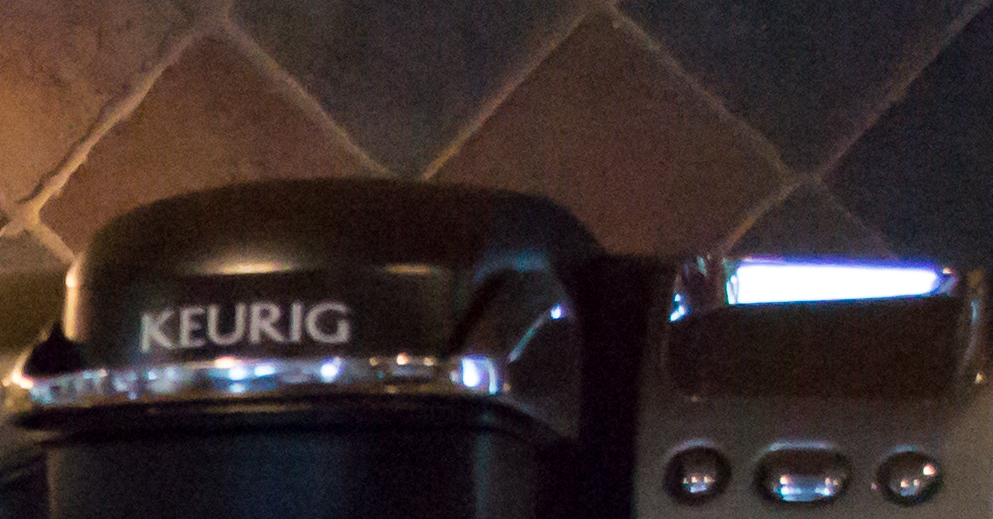
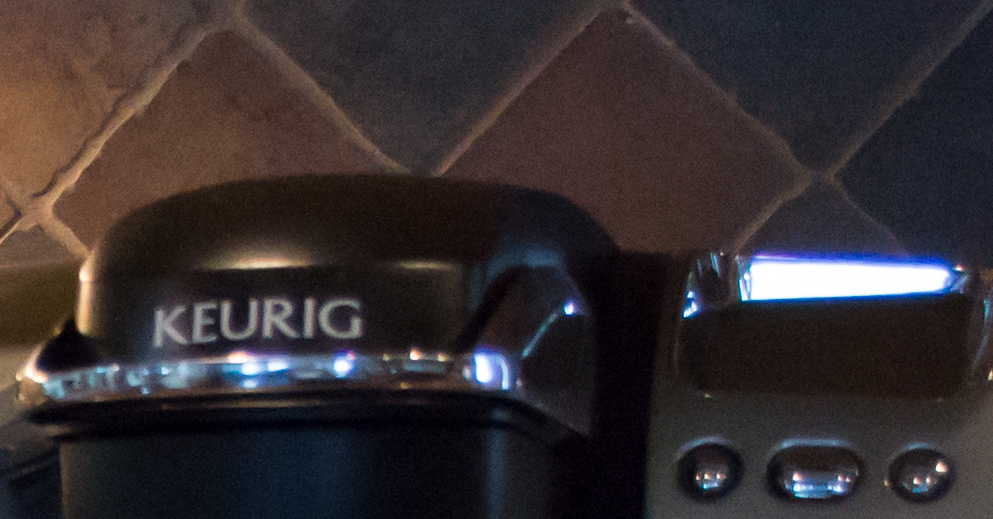
A couple of days ago I was doing some product shots inside a retail store and came across this situation that you see below.  The first image was with a good UV filter attached to the lens.  As you can see, the strong light coming through the windows in the background caused a terrible flare, essentially ruining the image.  I know, a lens hood would probably have helped but I didn’t have one and it’s always a trick to hold up your hand and shield the light without getting your hand in the shot, too.

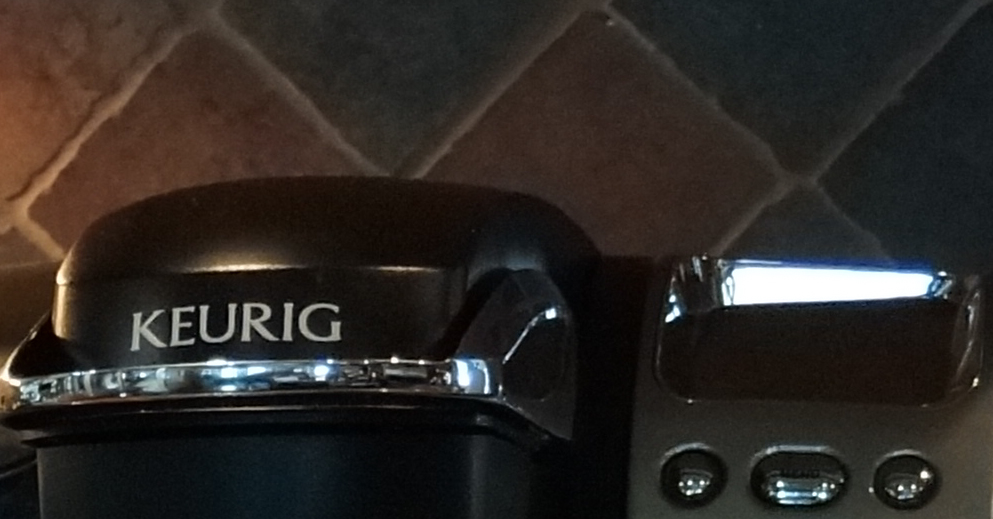
So, I just removed the UV filter and got the image below.  Not a 100% improvement, but I could at least probably salvage this photo.  So now I’m thinking maybe I’ll just remove the filters from my lenses.  Of course, this decision was made easier after reading Kurt Munger’s lens torture test.  Read on …

Kurt took a cheap lens that was optically fine and subjected it to a series of tests involving making the front element dirty, smudged, scratched, and eventually destroyed.  At each step of the process, he took a photo and looked for how the defects impacted the image.  It’s actually quite surprising how much he had to do before he could find any evidence of trouble in the image.  And it’s amazing how a destroyed and even missing front element could still yield usable, recognizable photos!  Check out the photo below.
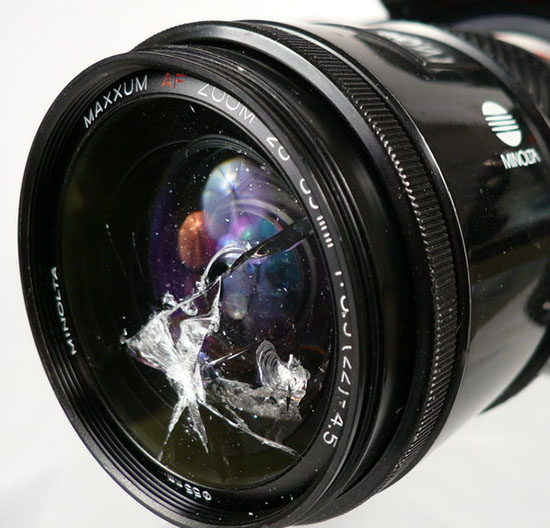
Photo from KurtMunger.comhttp://ad.doubleclick.net/adi/N7433.148119.BLOGGEREN/B6627866.239630;sz=180×150;ord=%5Btimestamp%5D?;lid=41000613802463918;pid=62925;usg=AFHzDLvosBw6vp5QLOLvvJy6NaDy8Bprew;adurl=http%253A%252F%252Fwww.abt.com%252Fproduct%252F62925%252FSony-DSCRX100B.html;pubid=634552;price=%24648.00;title=Sony+RX100+Black+Cyber…;merc=Abt+Electronics+%26+Appliances;imgsrc=http%3A%2F%2Fcontent.abt.com%2Fmedia%2Fimages%2Fproducts%2Fl_DSCRX100B.jpg;width=110;height=84
Believe it or not, the image from the lens in this condition was usable, not 100%, but a good part of the frame was apparently unaffected.  Go take a look.
If you’re a Sony person, check out the rest of Kurt’s website, KurtMunger.com, and you’ll find loads of great information about virtually all of Sony’s Alpha and Nex cameras and lenses.
Now, quit spending so much time getting every little speck of dust and lint off the front of that lens and go take some photos!  🙂


NEX-7: Anti Motion Blur or Hand-Held Twilight

Anti Motion Blur, ISO 6400, 1/125 second

At first glance, the Sony NEX-7 has two almost identical modes: Anti Motion Blur and Hand-Held Twilight. After reading the manufacturer’s handbook (not much help, there), and using both modes a few times, I still couldn’t see much difference. Mainly, I suppose, because the differences while important are also very subtle.
I finally talked to the Sony rep at my local camera store and he explained it this way:
  • The Anti Motion Blur (AMB) mode is for when your subject could move during the exposure. The camera tries to use a higher shutter speed (and possibly a higher ISO) to try and freeze that motion. Then, the in-camera processing attempts to also negate that motion as it combines the 6 exposures, reducing noise in the process.
  • Hand-Held Twilight (HHT), on the other hand, doesn’t care about subject motion. It just tries to choose an ISO / shutter speed combination that will allow the shot to be taken such that any camera movement will be offset, and, of course, noise also reduced during the in-camera processing.
The “rep” also said that, in general, HHT will produce better, cleaner images.
So, I did a very informal test and according to my results, he was right … but I’m still not sure of the exact reason. The HHT image is definitely cleaner with less noise and a bit more detail than the AMB image, but it also chose a lower ISO – 4000 as opposed to 6400 with the AMB shot.
What is a striking difference, though, is the differences between both of those modes and a normal Program AE shot at ISO 6400 or even 3200.
The top photo was done using AMB, ISO 6400 and 1/125th second. It produced a very nice, low noise image.
The next image was shot in Program AE, ISO 6400, and then a Noise Reduction setting of 50 in Lightroom 4. (I did this because the Program shots were done in RAW and thus had zero camera processing.)
Program AE, ISO 6400, Noise Reduction setting of 50 in Lightroom 4


Below are the 100% crops of all 4 images. I think you will find it obvious that Hand-Held Twilight will be your preferred mode when you need a higher ISO and your subject will remain stationary.

Program AE, ISO 6400, Noise Reduction setting of 50 in Lightroom 4

Program AE, ISO 3200, Noise Reduction setting of 50 in Lightroom 4

Anti Motion Blur, ISO 6400, 1/125 second

Hand-Held Twilight, ISO 4000, 1/60 second

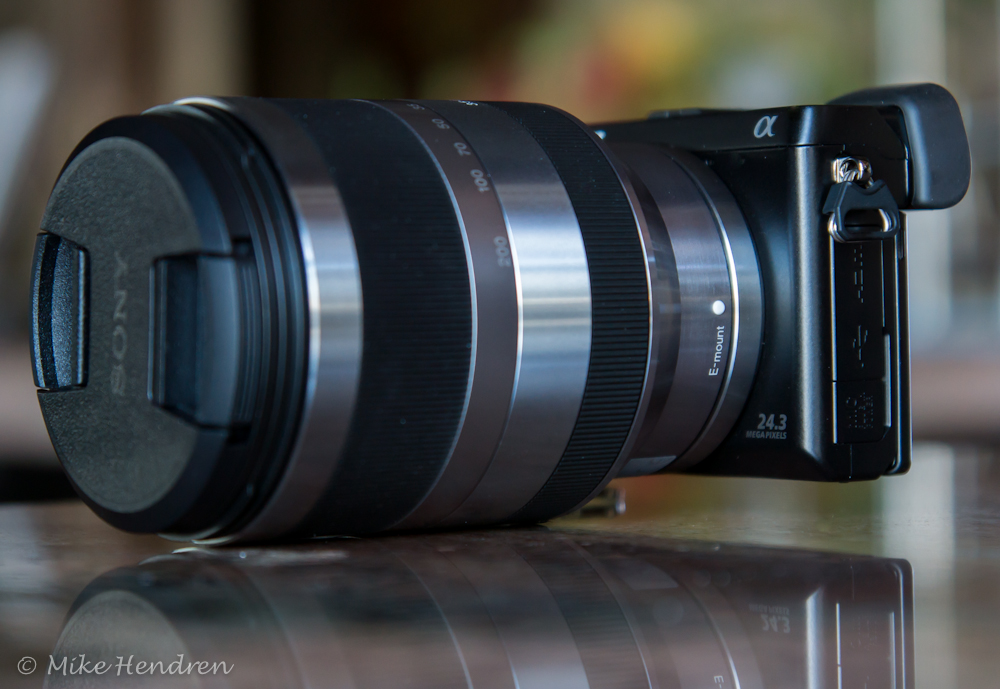
NEX-7 + Sony 18-200mm = Ridiculous!

First, let me say that, as an NEX-7 owner, I disagree with that. However, in various forums around the “web”, I’ve seen that claim being made so I thought I would address it.

Some of those statements have ranged from, “ridiculous” to “goofy looking” to “totally out of scale”. Well, it certainly isn’t any more out of scale than say a 70-200mm f/2.8 Nikon lens on a D90. Or, how about the other direction…the 35mm f/1.8 on a Nikon D3.

The bottom line is, I don’t care how it looks as long as I have a great lens/camera combination, which this is. One other consideration is that I can still put the 16mm pancake on the NEX-7 and stick it in my coat pocket…that ain’t gonna happen with a DSLR.

Now, don’t get me wrong – I love DSLRs and I’m not knocking them in any way. I’ve had many and they are awesome cameras. But, if I could get a great camera the size of a postage stamp and stick it to a big zoom, I’d do it.

I know – I know, there are some huge technical and practical difficulties with making that a reality like: battery, viewfinder, controls, screen, lens mount, etc. However, technically it could be done. The iPhone 4s has an 8Mp camera, so throw away the phone, antennas, and gps and you could end up with a very tiny stand alone camera. Wouldn’t that be cool!

So, are you ready – mentally – for the coming 54 Megapixel camera that you can wear on your wrist like a watch? It could be sooner than you think! 🙂

DSC00188-2012-02-17-12-37.jpg

Photography 101…The Missing Piece

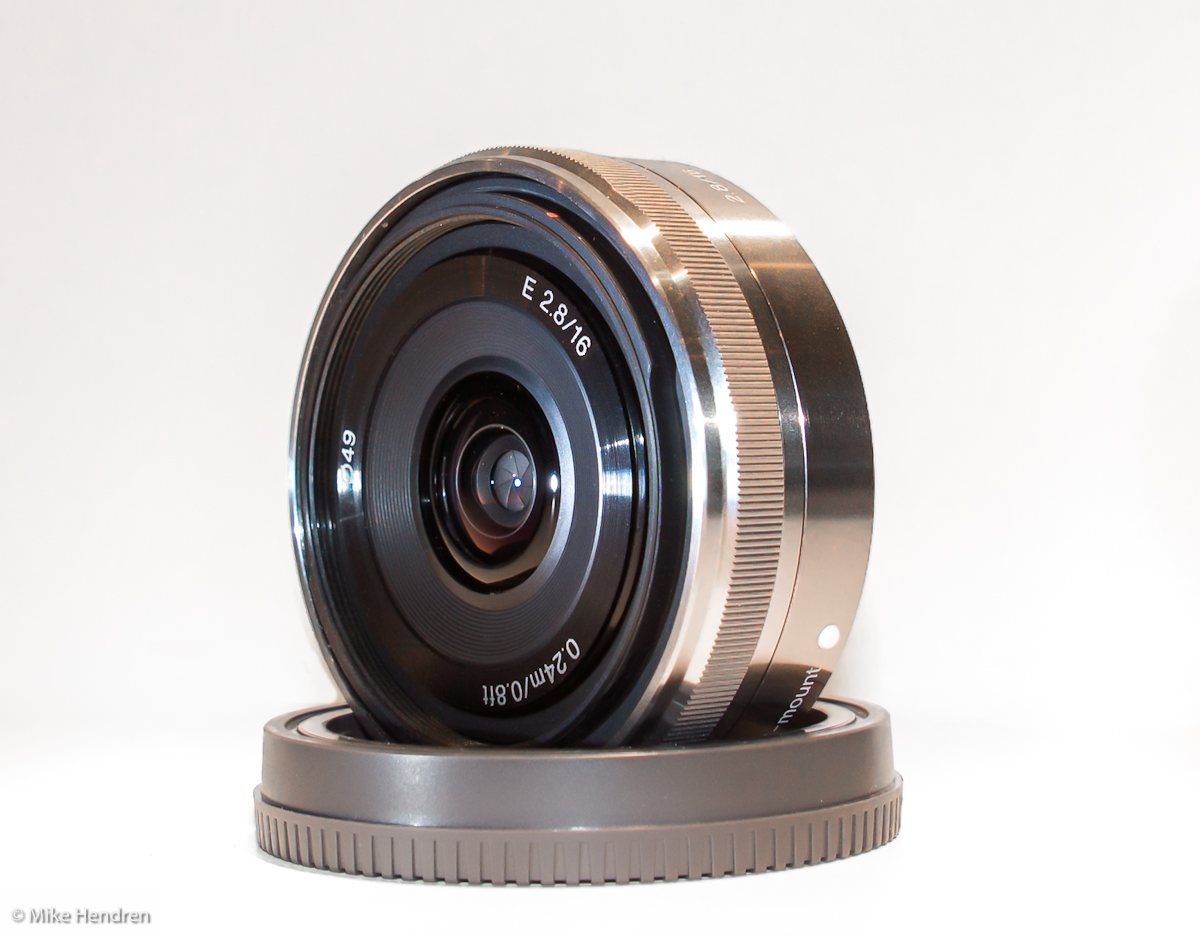
Sony E-Mount 16mm f/2.8

First, if you think you might learn something here, you’ll probably be disappointed. Sorry about that. 🙂

This is a camera lens. It sucks in the light from in front of the lens, flips it around upside down and backwards, and focuses it on a small area behind. We’ll call this area the sensor (could be digital – could be film).

Now, in this photo, you may notice that something is missing . . . you got it, the camera! More specifically, however, the missing piece is my “next” camera, the Sony NEX-7.

I used to have the NEX-5N and loved that camera. Like new lovers, every time I saw it I could hardly keep my hands off of it. ☺ It is very small and takes wonderful images, but I found I can’t live without a viewfinder. After using one for about 50 years, I may not be able to adapt to just using the screen for all of my photo work. . . but that’s just me.

Unfortunately, I had to sell the 5N to begin to raise money for my “next” camera. If you’ve known me very long, you would also know that I do that quite often. I’m sort of a borderline compulsive switcher when it comes to camera gear.

So, that brings us to my next camera, the NEX-7. There are several reasons I decided to do this upgrade:
    •    The viewfinder – electronic, but very well done.
    •    built in flash (plus a hot-shoe)
    •    better camera controls – Sony calls them “Tri-Navi”
    •    24 Megapixels
    •    Size – slightly larger than the 5N, but still very small

The sad news is – I probably won’t get this “new toy” for another month. I’ve been looking since before Christmas and was finally able to preorder it about 10 days ago, but still have some time left to “anticipate”.

Old Ford F600

I found this old Ford tow truck in Sedalia, Colorado. I couldn’t tell for sure, but it looks like it may still be in service.

Taken with the Sony A77 w/Sony-Zeiss 16-80mm, In-Camera HDR.
Processed with Topaz Adjust, using the Spicify filter.