Friedman’s A7/A7R Book – Highly Recommended

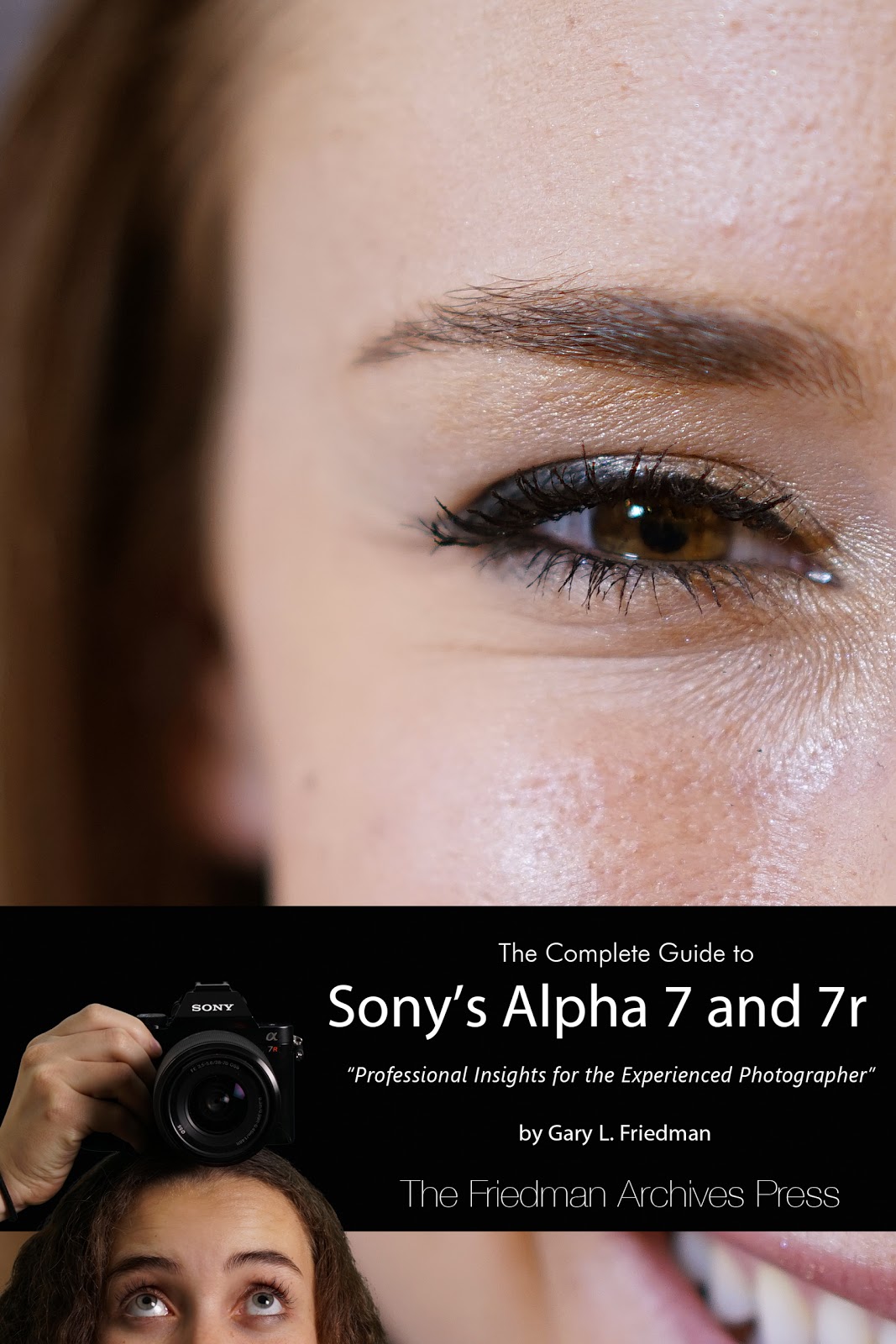
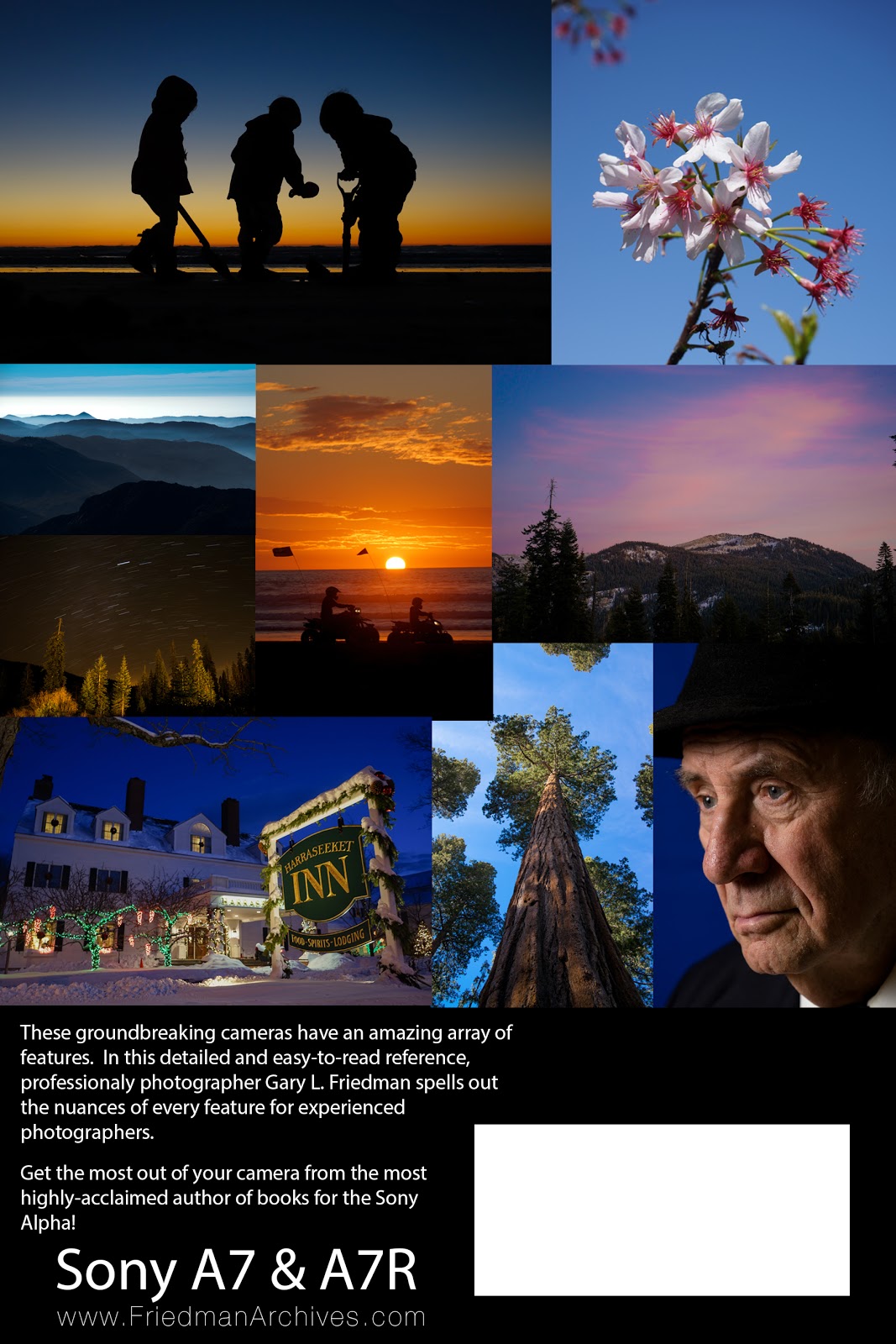
A few weeks ago, +Gary Friedman  at The Friedman Archives released his new book about the Sony A7/A7R … and, yes, it’s excellent just like his previous books about various other Sony cameras.

At about 600 pages, it’s a bit bigger than most camera books, but it is filled with A7/R goodness.  🙂  As usual, Gary goes into detail about every feature, function, and button on the camera, while revealing a depth of knowledge that is rare in these types of books.  His background as a NASA engineer and long-time professional photographer give him the insights necessary for this level understanding.  On the other hand, his sense of humor and light style of writing make all of his books very readable and an enjoyable way to learn all the ins and outs of your new camera.

So, give it a look!  And if you don’t have an A7 or A7R, no problem … you’ll find books about virtually every Sony Alpha/Nex camera released over the last few years. Not a Sony shooter?  Well, there is also a recent book about the Fujifilm X100S (X-T1 on the way) and a “coming soon” book about the Olympus OM-D E-M1.

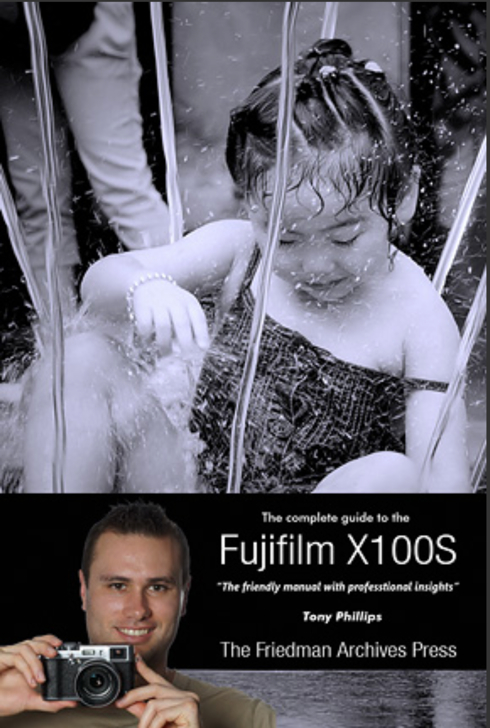
Now Available! The Complete Guide to Fujifilm’s X100s Camera by Tony Phillips!

Tony Phillips is an experienced Pro Photographer from Australia, and has written several excellent camera books.  He’s now followed those up with his latest book about the terrific Fuji X100S.  Here’s what The Friedman Archives has to say about it:

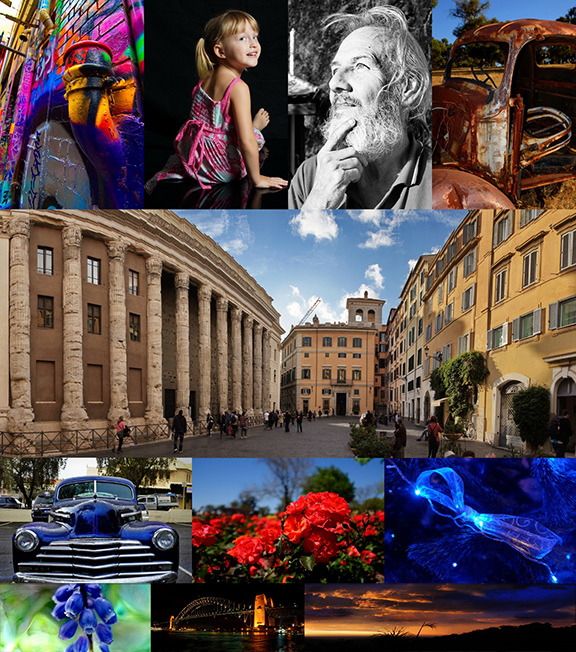
“In this 494-page full-color book you’ll learn: What every mode, button and function does – in plain, easy-to-understand text. My personal camera configuration. The secrets of taking outstanding photos. Details about the innovative features such as Real High Speed flash Sync, the ND Filter, Motion Panorama, Film Simulations, Multiple Exposures and more! All about movie mode. All about Flash and Advanced Lighting. The most common digital “jargon” and what it all means to you. A tutorial to help you get the benefits from shooting RAW. Get the most from your investment – Learn about the wonders of digital imaging and improve your photography at the same time!”

Other titles coming soon from The Friedman Archives include books about the Sony A7/A7R, Sony RX10, and Olympus OM-D E-M1.  Of course, there are also numerous other books about all of the previous Sony Alpha and Nex cameras, and some great general photography titles.  There’s a money back guarantee, so you can’t go wrong … give it a try!  On the website you’ll find easy links to sign up to be notified when future books are ready.

New Ebooks – Nex-6/5R in Spanish and Sony RX100M2

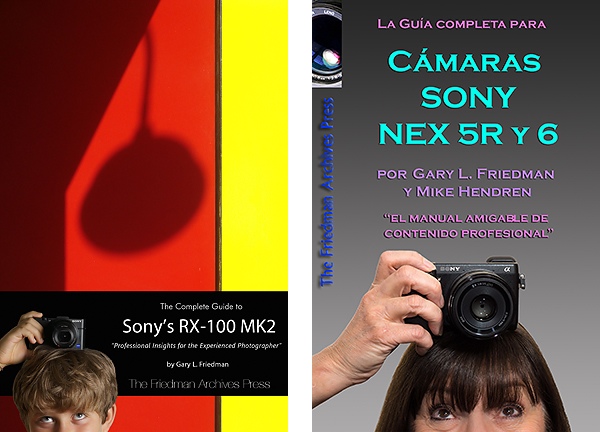
The Friedman Archives Press has just released two new titles.  One is for the Sony RX100Mk2 and the other is the Spanish translation of the Sony Nex 5R and 6 ebook.  These new releases add to an already impressive list of great books about almost all of Sony’s Alpha and Nex cameras.

Each book will guide you through every feature, function, and control on your camera.  Plus you’ll find appendices with great tips on photography and recipes for special shooting situations (Fireworks, for instance).
The books are available as a package of electronic files to include full color PDF and files for a Kindle or Nook.  Of course, you can also order a printed version in either color or black and white.
Calling All Translators!  The Friedman Archives would like to expand the available translations to other languages besides English and Spanish.  If you are fluent in two languages (one of which is English) and also have a thorough understanding of photographic techniques and terms, please send an email to Ebooks@Sent.com.

Setting Up the NEX-7 – Revisited

I recently read somewhere, “Photography is a disease for which there is no known cure.” ( – Author Unknown)  I know I’m afflicted by it and I sure hope it isn’t fatal . . . . . aside from my wife wanting to kill me for exceeding my photography budget! 🙂 

A couple of days ago I “reacquired” the Sony NEX-7. There’s a lot to love there:  A beautiful, black, metal body; 24 Megapixel APS-C sensor; 10 frames-per-second; Terrific EVF (Electronic ViewFinder); and the Tri-Navi control system to give you almost instant access to many of the camera’s functions.  This camera is very customizable with several buttons that can be re-configured to setup this camera to work the way you work.

Many of you may not want your camera setup exactly like I do and that’s okay. We’re all individuals and approach photography with different goals and techniques.  In fact, my settings change from time to time as my current photographic emphasis changes.  But, if you’re new to the NEX-7 or maybe just struggling with the overwhelming customization options, maybe this will help. Here’s how I have mine setup, at least for now.

First, in the Main Menu, go to Setup and about halfway down you’ll find the Function Settings. These are the settings that are accessible using the Function Button (next to the shutter button) and adjustable with the two top Control Dials and the Control Wheel (Tri-Navi Controls).
  • Function Settings 1 > Focus Settings
  • Function Settings 2 > White Balance Settings
  • Function Settings 3 > Creative Style Settings
  • Function Settings 4 > Custom Settings
  • Custom Settings 1  > DRO/Auto HDR (Having Auto HDR and Quality in Custom Settings means they are both accessible at the same place. And since I often shoot in RAW, this makes it easy to quick change to JPEG when I want to use Auto HDR.)
  • Custom Settings 2  > Quality
  • Custom Settings 3  > Picture Effect
  • Function Settings Start > Previous (this just takes me back to whatever I had last changed)
Next, with Soft Key A, go back into the Setup Menu, and select Custom Key Settings. These will change the function of several of the buttons on the back of the camera.
  • AF/MF Button > AF/MF control
  • Right Key Setting > Flash Mode
  • Soft Key B Setting > Focus Settings
  • Soft Key C Setting > Shoot Mode
  • Custom Settings > N/A unless you set Soft Key C to Custom Settings, then you will have several choice to add, here.
With this configuration, I almost never need to go into the camera’s extensive menu system to make a change while I’m shooting, which is a big deal for me since I do tend to change settings quite often.  The possibilities are so varied, that you’ll probably need to do some experimenting with different combinations to find what works best for you, but maybe this guide can give you a place to start.

Please comment and share with us how you have your NEX-7 setup – and why – so we all have the chance to learn another way of doing things.

In a recent blog post, I mentioned that I worked with Gary Friedman (www.friedmanarchives.com) to produce a comprehensive manual about the new Sony NEX-5R and NEX-6.  You can find that eBook about the Nex-6 / 5R at www.FriedmanArchives.com , plus other books about all of the Nex models including the Nex-7, the RX100/M2 and most of the Sony Alpha models.

Castle Pines Walkabout with the Sony Nex-6 and 10-18mm Lens

I was up early this morning, about 5:30am, so I grabbed my camera and headed out the door.  These morning excursions usually involve two important decisions:  First, which camera and lens to take, and second, where to go for coffee.

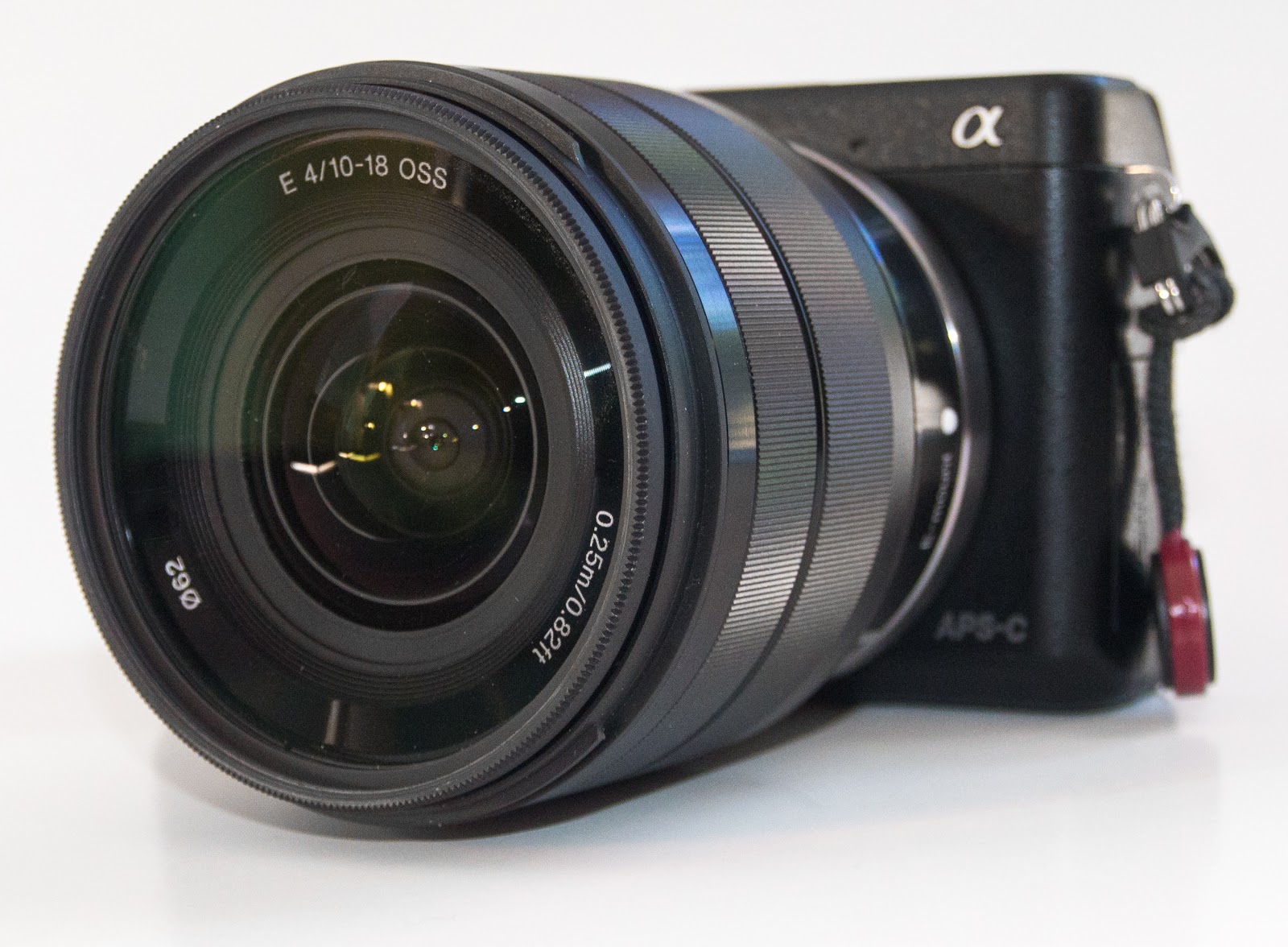
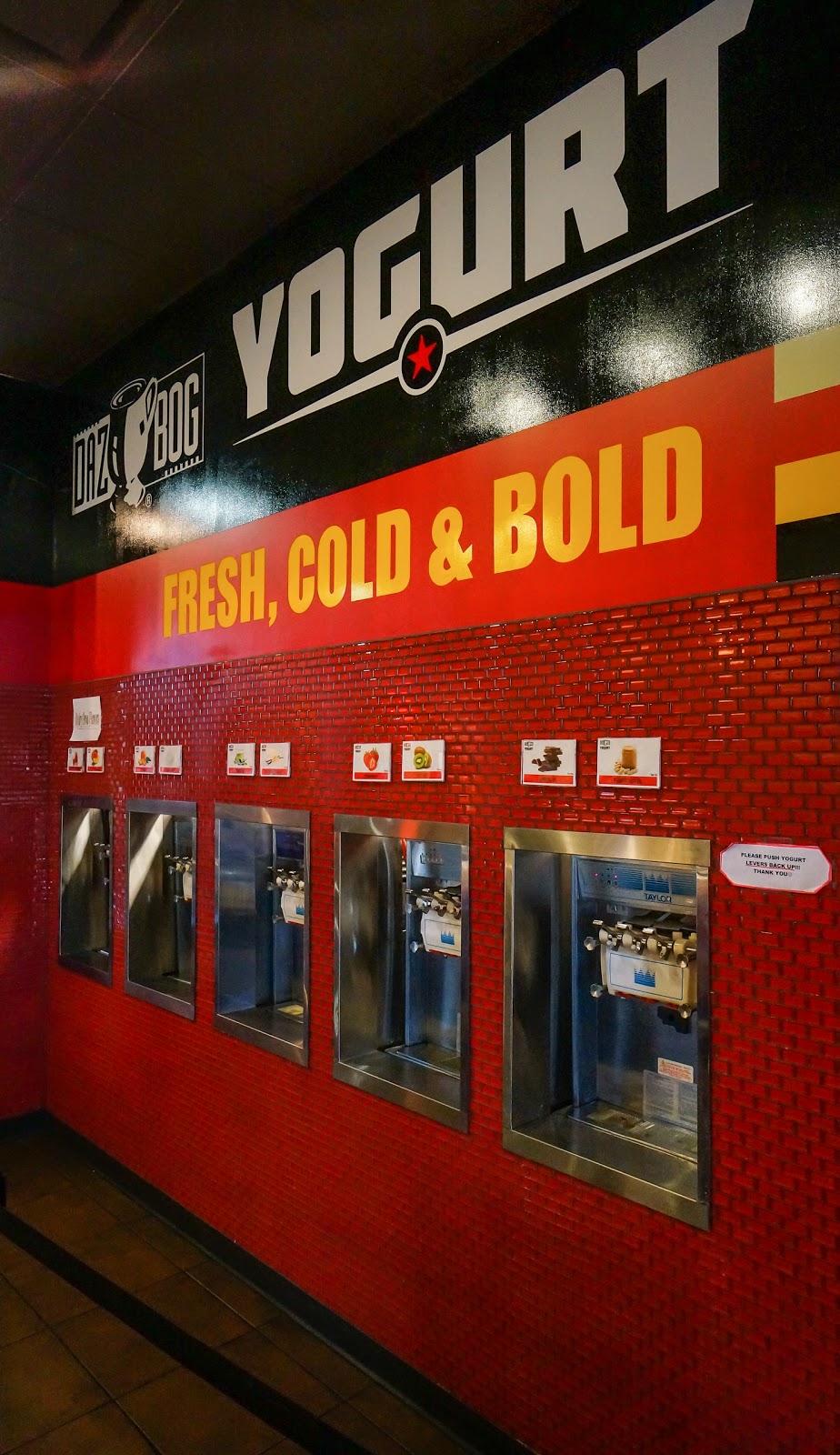
Today, the first was one was easy since I have a new Sony 10-18mm f/4 wide-angle zoom.  The obvious choice was the Nex-6 so I could try out the new lens.  The coffee decision, while never certain until I walk in the door of the coffee shop, ended up being the nearby DazBog coffee shop, only about 1/4 mile away.  Of course, the three Starbucks are also always likely choices since they’re even closer.  🙂 The cool morning air was refreshing and just warm enough to hint at the hot day ahead, but still just the perfect temperature for a morning stroll around Castle Pines.

After getting my first “cup of Joe” and thoroughly diluting it with cream and sugar, I settled in to take a few images with the new wide zoom.  As I shot, it occurred to me how so much of the discussion on the photo websites these days seems to concentrate on fast, sharp lenses that can give you a paper thin depth of field (dof) and thoughts about which of these lenses produces the best, the smoothest, the most pleasing bokeh.  And I don’t disagree that these are important characteristics … for “some” subject matter.  But not all.
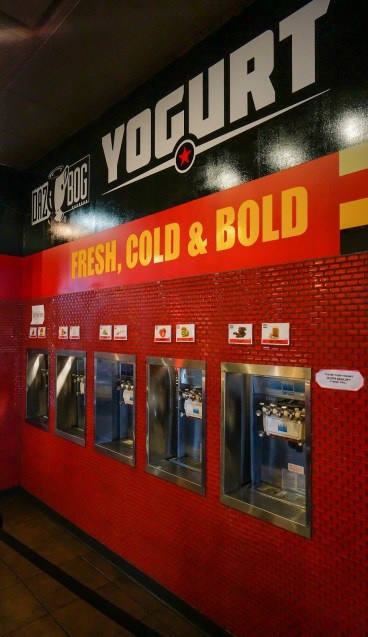
What I discovered with this lens, especially at the widest setting of 10mm (15mm FF equiv.) and an aperture of f/16, was that the dof was almost complete.  In other words, just about everything from the front of the lens to the back of the room was in focus, and bokeh was not even a factor.  Nice!  So for interiors, landscapes, and other subjects where you want just about everything in the image to be in focus, this is a great lens.  Some may say, “the f/4 maximum aperture is too slow”.  Well, with this piece of glass, it will probably be a rare occasion to use the f/4 max and much more common to have it at f/11 or even higher to take full advantage of the huge dof.  And since it has built-in image stabilization, you could probably hand-hold this baby down to some very slow shutter speeds.  Like maybe 1/5th of a second or slower.  I’ll have to test this.

As you can tell, I’m very pleased with the lens.  And the coffee?   …… Well, it was great, too.

BTW, if you’re shooting either the Nex-6 or Nex-5R or even thinking about it, check out our e-book about these cameras at:  www.FriedmanArchives.com