NEX-7: Anti Motion Blur or Hand-Held Twilight

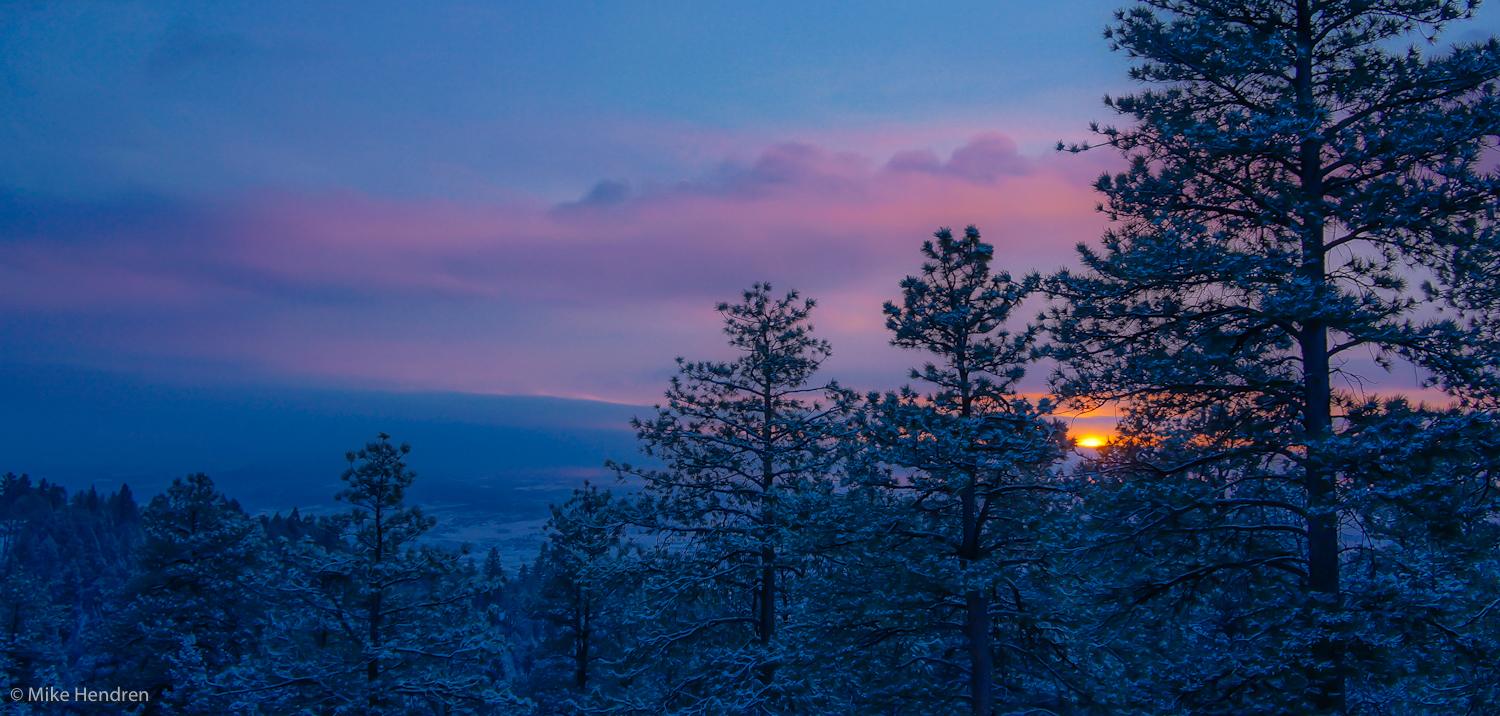
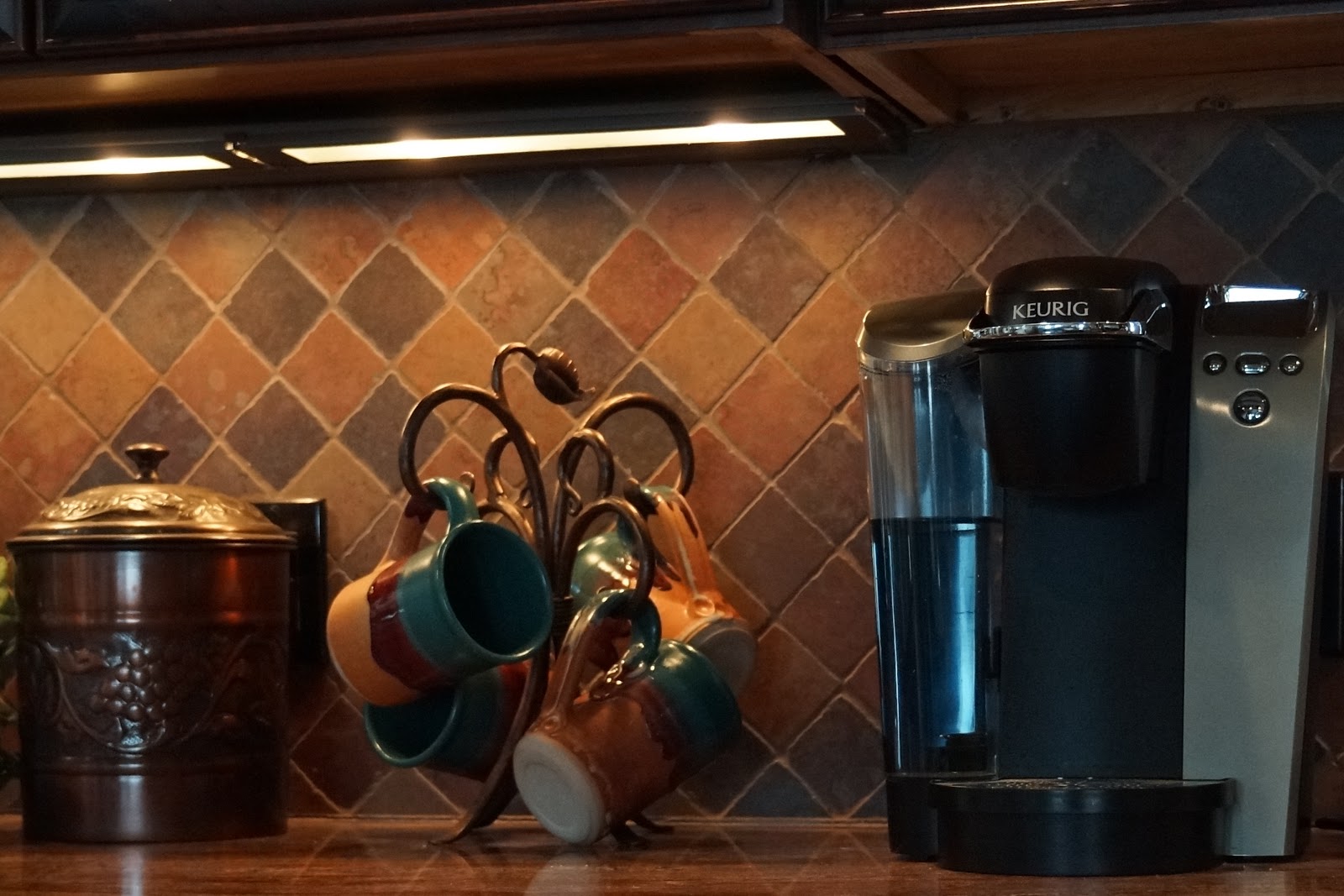
Anti Motion Blur, ISO 6400, 1/125 second

At first glance, the Sony NEX-7 has two almost identical modes: Anti Motion Blur and Hand-Held Twilight. After reading the manufacturer’s handbook (not much help, there), and using both modes a few times, I still couldn’t see much difference. Mainly, I suppose, because the differences while important are also very subtle.
I finally talked to the Sony rep at my local camera store and he explained it this way:
  • The Anti Motion Blur (AMB) mode is for when your subject could move during the exposure. The camera tries to use a higher shutter speed (and possibly a higher ISO) to try and freeze that motion. Then, the in-camera processing attempts to also negate that motion as it combines the 6 exposures, reducing noise in the process.
  • Hand-Held Twilight (HHT), on the other hand, doesn’t care about subject motion. It just tries to choose an ISO / shutter speed combination that will allow the shot to be taken such that any camera movement will be offset, and, of course, noise also reduced during the in-camera processing.
The “rep” also said that, in general, HHT will produce better, cleaner images.
So, I did a very informal test and according to my results, he was right … but I’m still not sure of the exact reason. The HHT image is definitely cleaner with less noise and a bit more detail than the AMB image, but it also chose a lower ISO – 4000 as opposed to 6400 with the AMB shot.
What is a striking difference, though, is the differences between both of those modes and a normal Program AE shot at ISO 6400 or even 3200.
The top photo was done using AMB, ISO 6400 and 1/125th second. It produced a very nice, low noise image.
The next image was shot in Program AE, ISO 6400, and then a Noise Reduction setting of 50 in Lightroom 4. (I did this because the Program shots were done in RAW and thus had zero camera processing.)
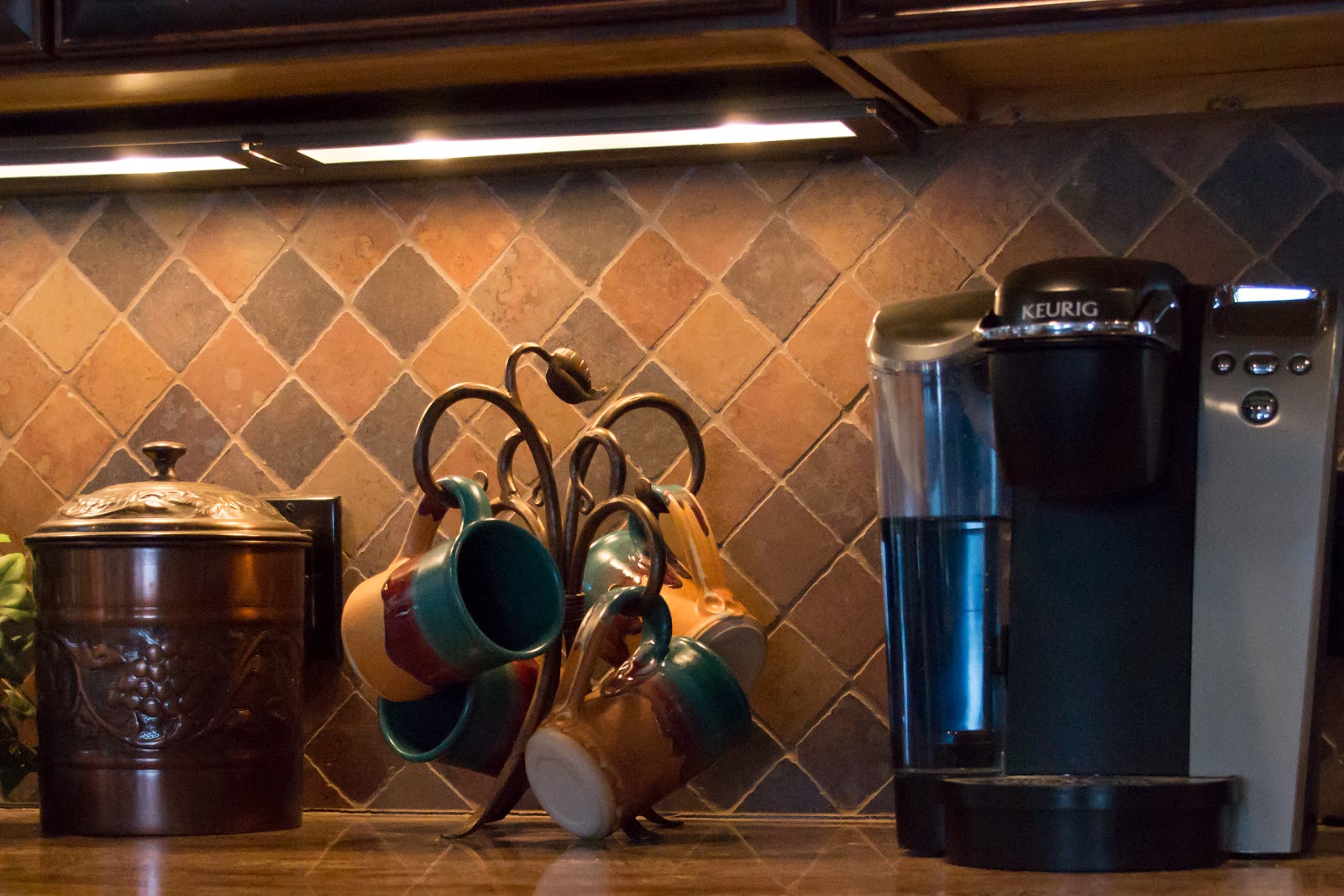
Program AE, ISO 6400, Noise Reduction setting of 50 in Lightroom 4


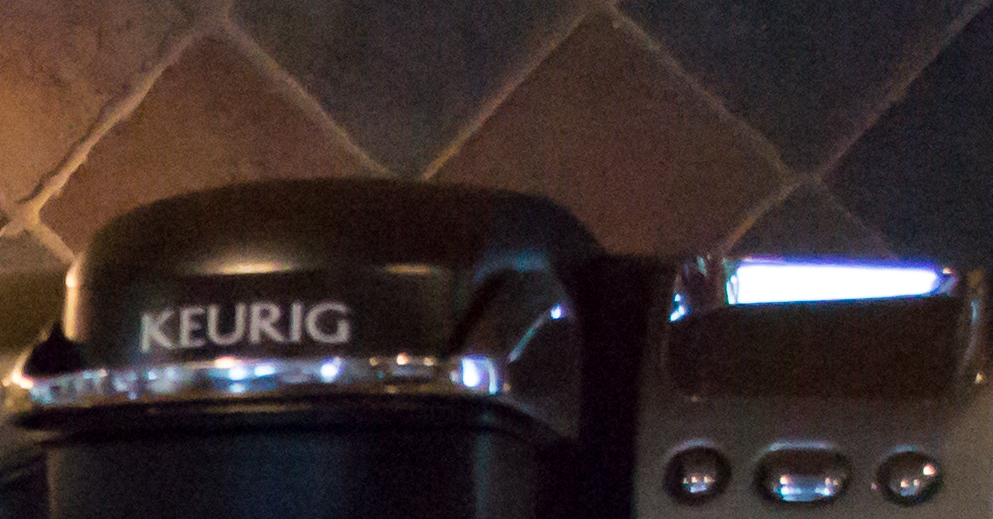
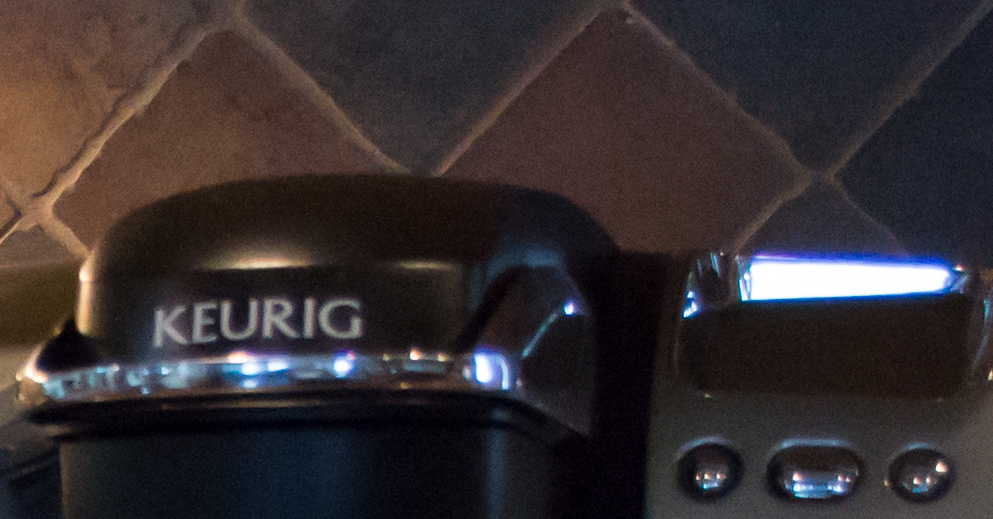
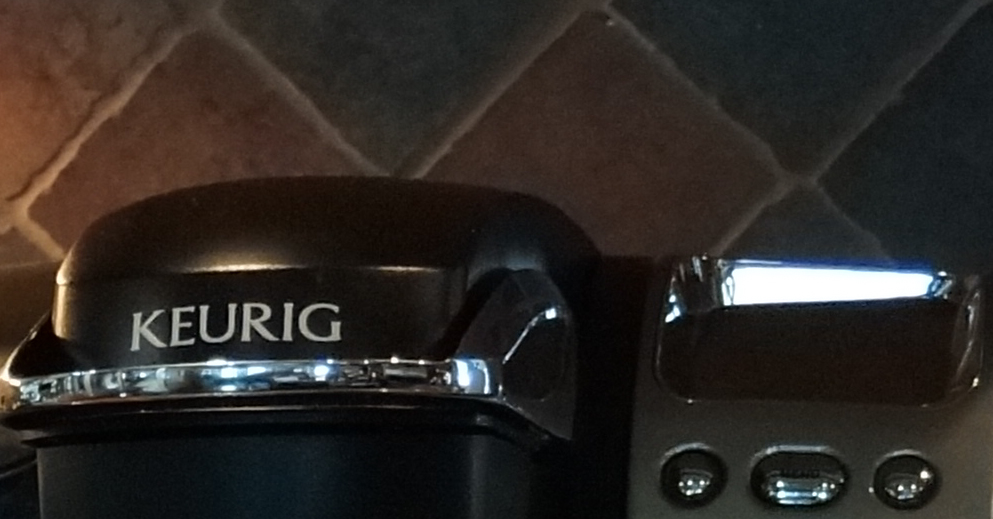
Below are the 100% crops of all 4 images. I think you will find it obvious that Hand-Held Twilight will be your preferred mode when you need a higher ISO and your subject will remain stationary.

Program AE, ISO 6400, Noise Reduction setting of 50 in Lightroom 4

Program AE, ISO 3200, Noise Reduction setting of 50 in Lightroom 4

Anti Motion Blur, ISO 6400, 1/125 second

Hand-Held Twilight, ISO 4000, 1/60 second

Date Reminder – Double Trouble this Year (2012)!

Just a quick heads-up about the double-trouble with dates, this year.

Not all cameras have internal calendars that will realize this is a leap year (with a Feb. 29th), so you may need to reset the date in your digital camera.
Also, I think most digital cameras have to be told when to change over for daylight savings, both in the fall and in the spring. So, this coming Sat. night / Sunday morning, you’ll need to adjust for that, too.
Happy shooting!

Light Painting with the Fujifilm X100

You’ve seen many examples of “light painting” around the web. However, I think the best I’ve seen was by Dave Black. He also wrote a great article about techniques he uses when doing this, and you can find it on the Nikon website.
What is involved with light painting is using a hand-held light source, commonly a flashlight, but it could be about anything. Essentially, you use a long exposure and then selectively light your subject with the flashlight to attain the effect you are looking for. It’s a bit of trial and error, since your metering system is mostly useless and may, therefore, take several exposures before you get a satisfactory result.
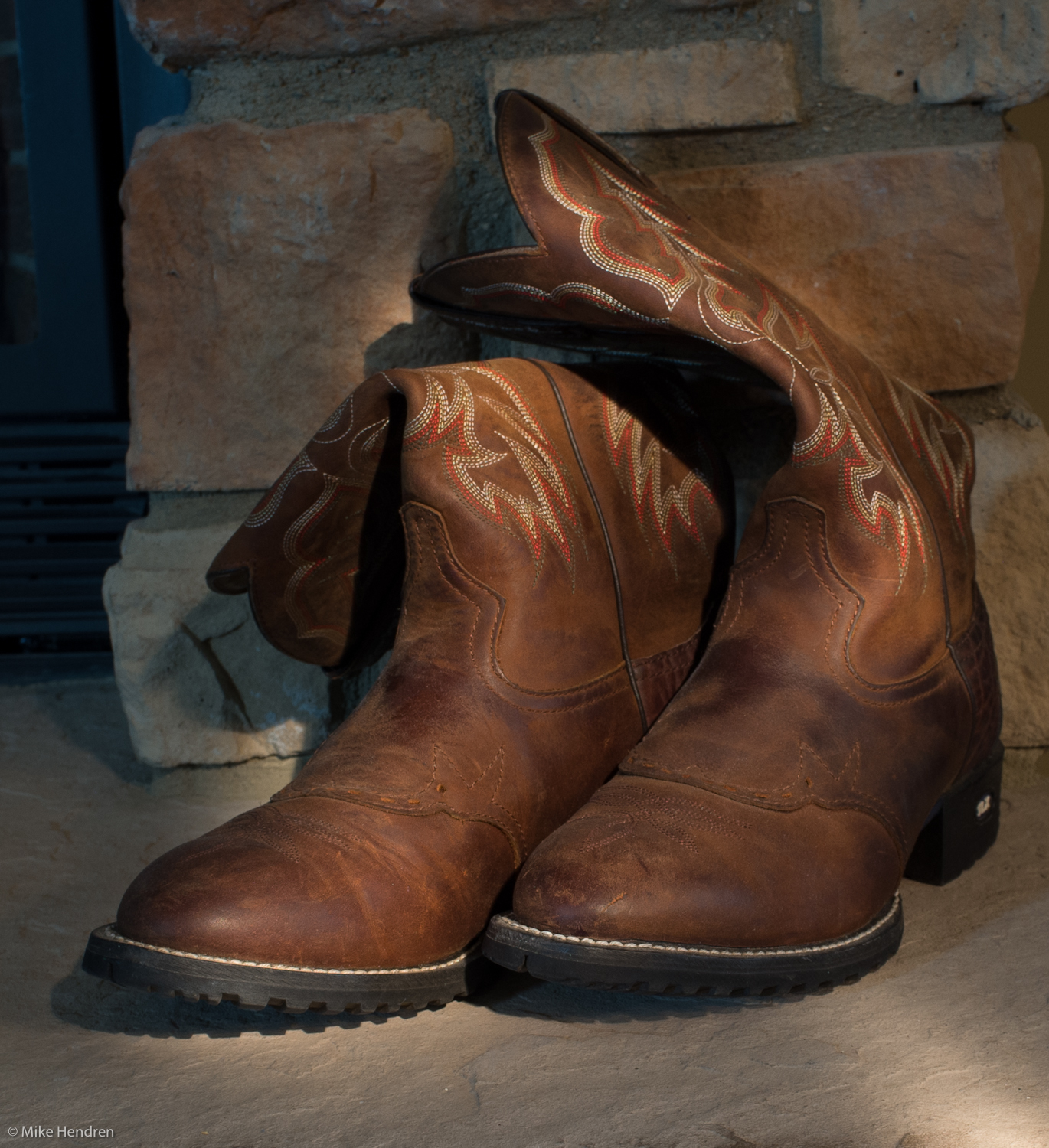
For this image of “boots”, I set up in a darkened room with my X100 on a tripod. Then, with the lights on, I set the focus and made sure it was in manual focus for the shot. Finally, with the lights off, I achieved this result with a 5 second exposure at f/8.
What’s really fun is to take a look at the RIT (Rochester Institute Technology) annual Big Shot! They’ve been doing this for quite a few years, and had over 1,000 people helping with the lighting on last year’s project. This way, they are able to add lighting to an impossibly large area for their photograph. It’s really amazing so check it out! ☺

Fujifilm FinePix X100
Lightroom 4 (beta)

Auto HDR with the Sony NEX-7

Sony’s newer cameras have been offering an in-camera HDR (high dynamic range) function.

When you select this “auto HDR” mode, you can also set the EV (exposure value) range from 1 to 6. This is a total range and not the spacing between each of the 3 images it will shoot. So far, I’ve just been using the 6 EV range and been quite happy with the results.

When this mode is selected, the camera takes 3 quick images with the proper over/under exposure values and then combines them, automatically, to produce an HDR image. One nice thing it also does is to save the normal exposed image in addition to the HDR. This allows you to have at least the normal exposure in  case you’re not pleased with the HDR.

At first, I was skeptical and then not particularly impressed with the output. The images had a flat look that seemed to lack contrast and color saturation. However, as I began to work with the HDR images, I found that just a bit of post processing could correct that. And, in retrospect, it actually makes sense. The HDR image was doing what it was supposed to do … i.e. save the highlights and shadows for you, such that the detail information was preserved.

In this sunrise image, the auto HDR worked great. It preserved the detail in the brighter clouds, didn’t allow the sun to be completely blown out, and also saved the shadow detail in the trees.

It seems, the more I use it … well, the more I use it. 🙂 What I mean by that is that as I become more adept at working with the HDR image it produces, I find I am more likely to use that feature. There’s really not much to lose – if the auto HDR doesn’t produce for me, I always have the normally exposed image to work with.

So, if you have an NEX-7, give it a whirl – I think you’ll like what you see!

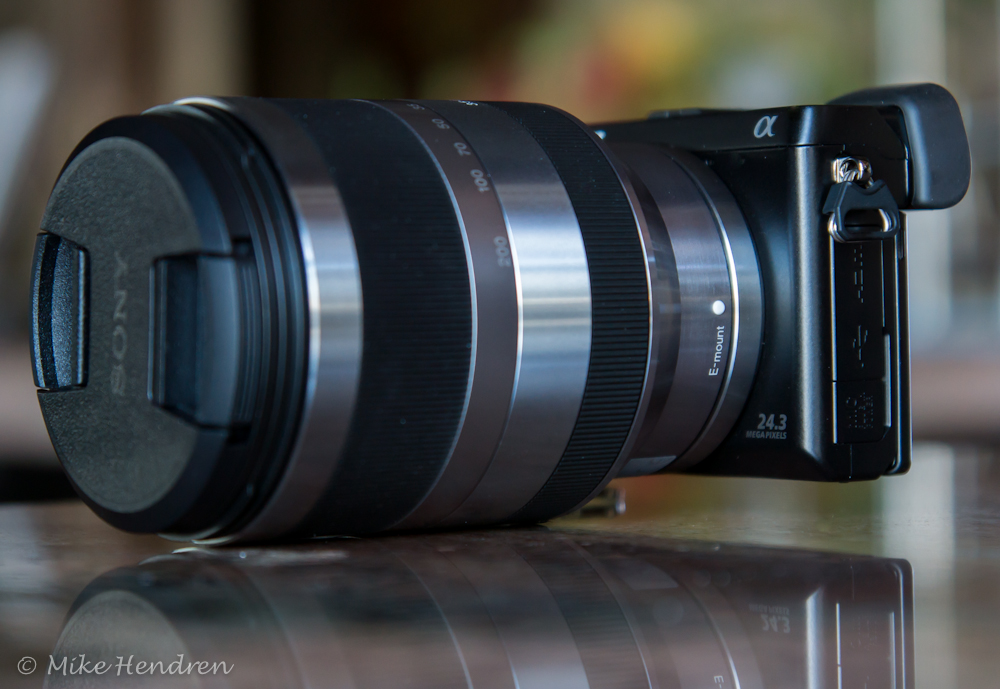
Sony NEX-7 w/Sony 18-200mm OSS; auto HDR
Lightroom 4 (beta)

Macro with the Sony NEX-7

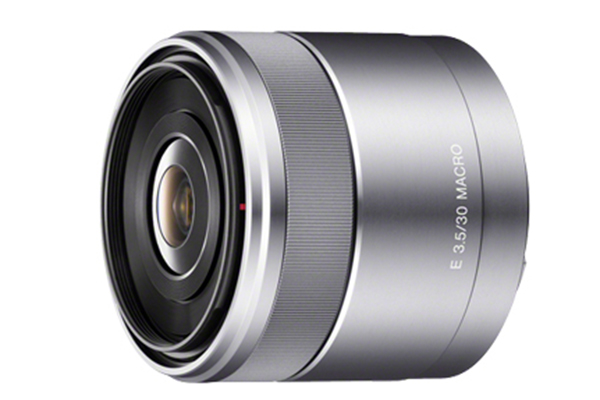
I just recently acquired the Sony NEX-7 and I am loving the camera! Even more recently, I got the Sony 30mm f/3.5 Macro lens to go with it. This is the E-mount lens and is relatively small and light (just under 5 oz.) so it fits nicely with the NEX-7.
After only a few shots, I am very pleased with the lens. It is very sharp with great color and contrast as you can see in the image of pins above, and the detail is truly amazing! These pins are of course very small to begin with, but in this image, you are able to pick out the tiny imperfections in the shafts of these pins.
Naturally, at 30mm, you must get very close to your subject in order to achieve the maximum 1:1 magnification … something less than an inch from the front of the lens. So it follows that it is not an ideal lens for live insects, plus you must be very careful of lighting since you can easily cast a shadow on your subject.
Build quality is excellent and the focus ring operates very smoothly. Focusing is very quiet and it also allows for Direct Manual Focus, which can be very helpful when shooting macro.
Overall, an excellent lens for a reasonable price at $250 (retail).

NEX-7 + Sony 18-200mm = Ridiculous!

First, let me say that, as an NEX-7 owner, I disagree with that. However, in various forums around the “web”, I’ve seen that claim being made so I thought I would address it.

Some of those statements have ranged from, “ridiculous” to “goofy looking” to “totally out of scale”. Well, it certainly isn’t any more out of scale than say a 70-200mm f/2.8 Nikon lens on a D90. Or, how about the other direction…the 35mm f/1.8 on a Nikon D3.

The bottom line is, I don’t care how it looks as long as I have a great lens/camera combination, which this is. One other consideration is that I can still put the 16mm pancake on the NEX-7 and stick it in my coat pocket…that ain’t gonna happen with a DSLR.

Now, don’t get me wrong – I love DSLRs and I’m not knocking them in any way. I’ve had many and they are awesome cameras. But, if I could get a great camera the size of a postage stamp and stick it to a big zoom, I’d do it.

I know – I know, there are some huge technical and practical difficulties with making that a reality like: battery, viewfinder, controls, screen, lens mount, etc. However, technically it could be done. The iPhone 4s has an 8Mp camera, so throw away the phone, antennas, and gps and you could end up with a very tiny stand alone camera. Wouldn’t that be cool!

So, are you ready – mentally – for the coming 54 Megapixel camera that you can wear on your wrist like a watch? It could be sooner than you think! 🙂

DSC00188-2012-02-17-12-37.jpg

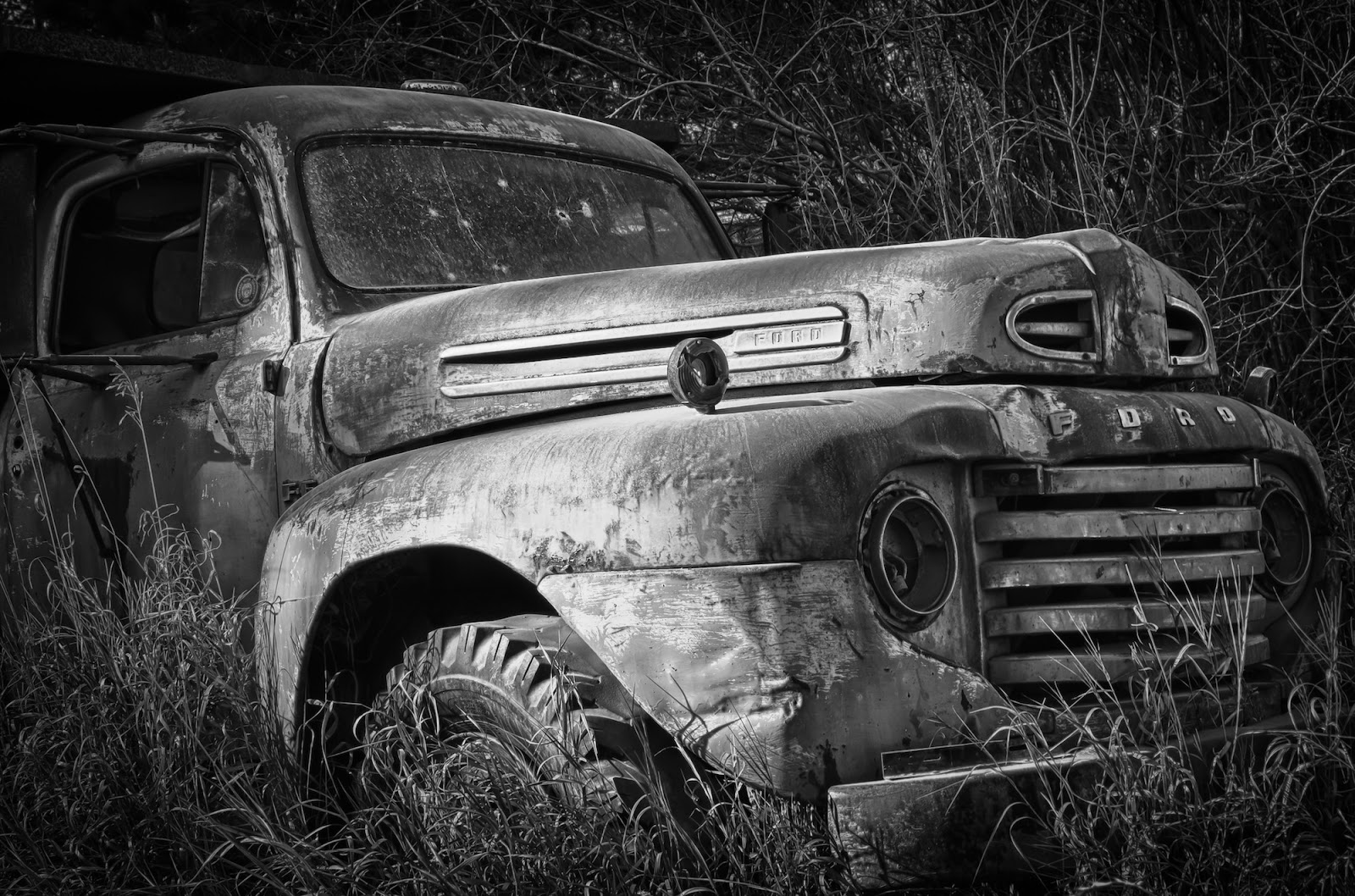
Old Ford Truck – HDR

Near my home, is this old abandoned Ford truck sitting forlornly by the road. It looked pretty sad with no headlights, bullet riddled windshield, and paint so oxidized it was barely still red.

Luckily, the light was literally spot-lighting it at that time, so I took 3 quick bracketed shots with my Nikon D7000 (2-EV spacing).

Later, I combined the 3 images into an HDR using Nik HDR Efex Pro. Then, with another Nik program, Silver Efex Pro, I converted it to a black and white, tweaked the micro contrast and was done…well, except for some minor sharpening and noise reduction in Lightroom.